Introduction
The problem most roofing owners recognize instantly
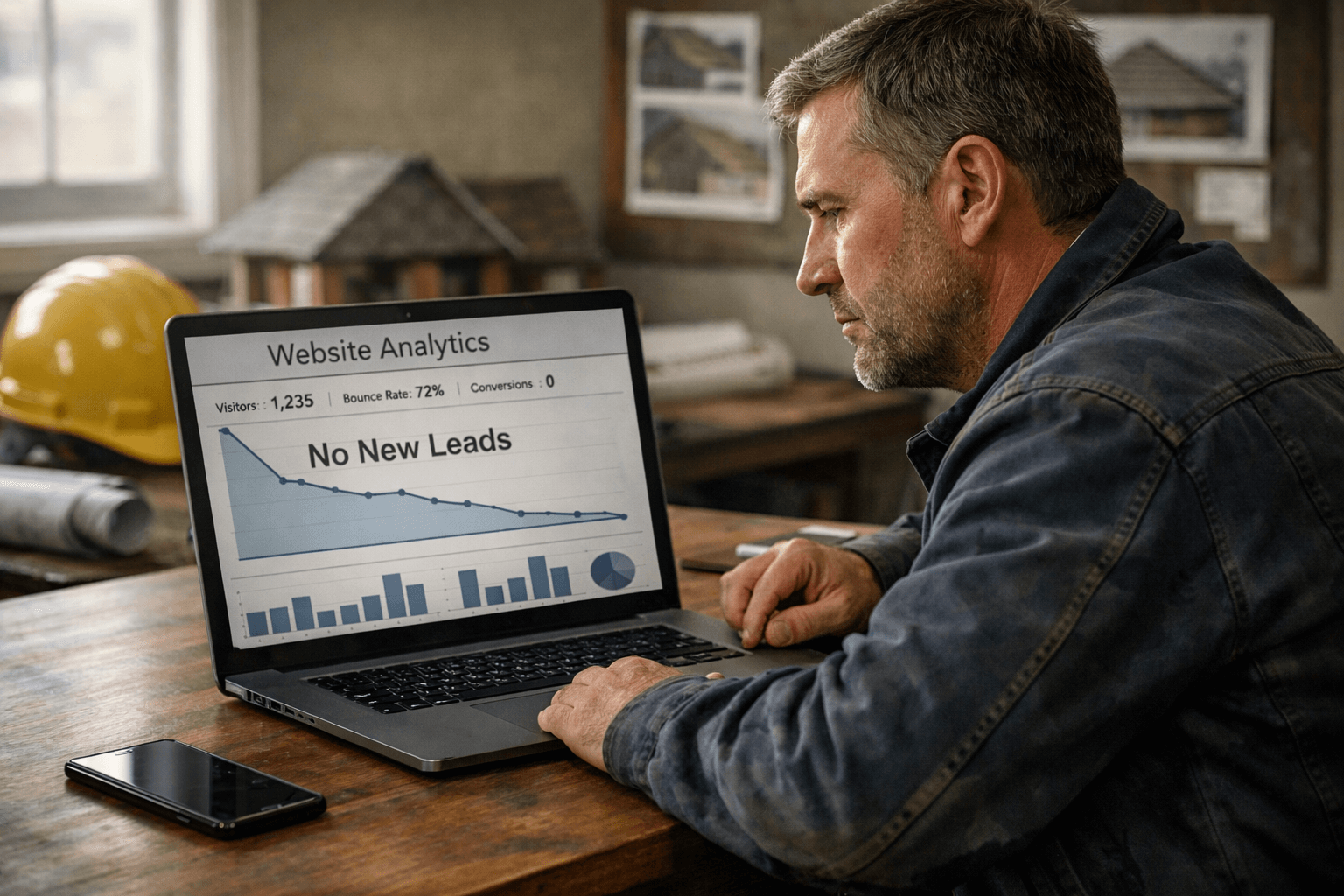
You’ve invested in a website.
You might even be ranking for a few keywords.
But the phone barely rings. Forms don’t convert. And every month feels like starting over.
This isn’t rare. It’s the default.
Most roofing company websites in 2026 don’t fail because SEO is broken or Google changed again. They fail because the website isn’t built to turn local homeowners into leads.
Traffic without action is just noise.
The real reason roofing websites don’t generate leads
After reviewing dozens of roofing sites across the US, the pattern is consistent.
1) The site is designed to look professional, not to convert
Clean layouts. Big hero images. Generic promises.
But no clear reason for a homeowner to act right now.
A visitor should understand three things within five seconds:
Do you serve my area?
Do you solve my exact problem?
What should I do next?
Most roofing sites miss at least two of these.
2) Messaging is written for Google, not for homeowners
Pages are packed with keywords but say very little.
Homeowners aren’t searching for “best roofing solutions.”
They’re worried about leaks, insurance timelines, storm damage, and trust.
If your site doesn’t reflect those concerns, it won’t convert.
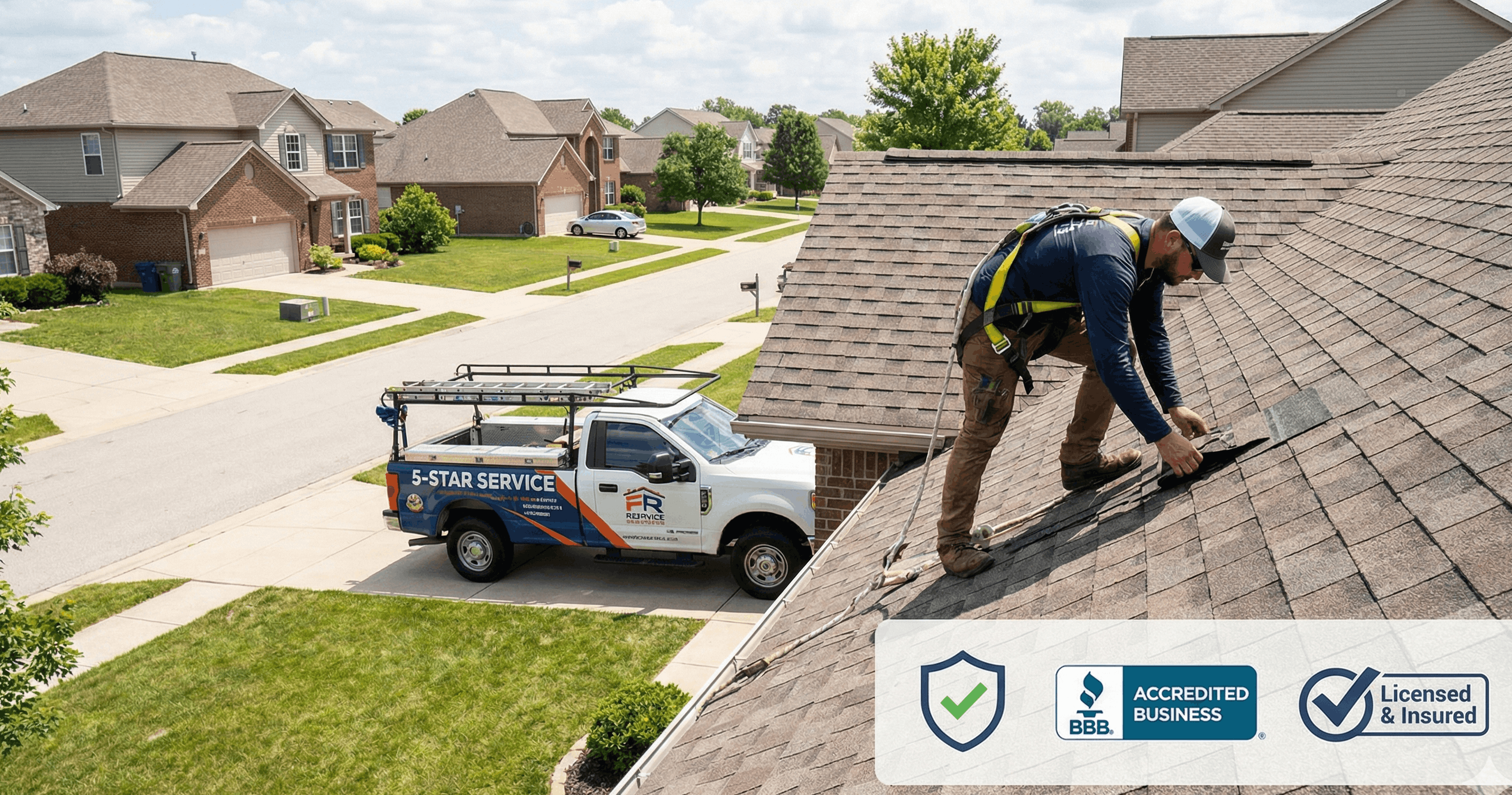
3) There’s no visible local trust
No real photos.
No clear service area.
No signals that say, “Yes, we work in your neighborhood.”
In local services, trust comes before rankings.
SEO isn’t broken. The website experience is.
This is where many roofing businesses get misled.
You might rank.
You might get clicks.
But Google in 2026 evaluates usefulness, not just relevance.
If users land on your page and hesitate, scroll, or leave without acting, the problem isn’t traffic. It’s alignment.
SEO brings people in.
Your website must finish the job.
What actually converts roofing website visitors into leads
This is what works consistently.
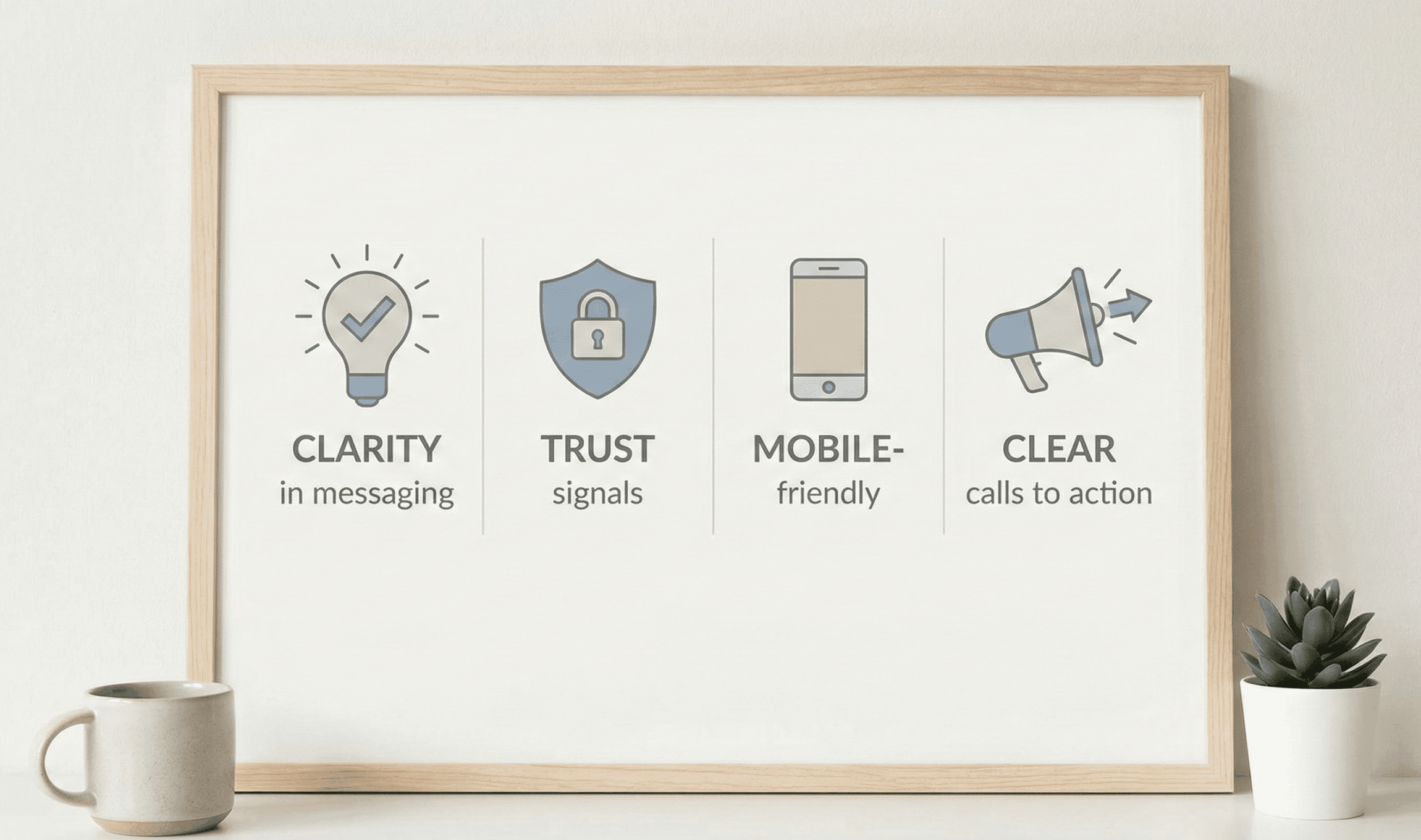
Clear local relevance
Your site should make it obvious where you work without forcing visitors to hunt for it.
Service areas should feel natural, not stuffed.
A homeowner should instantly know you serve their city.
Proof placed where decisions happen
Reviews buried on a testimonials page don’t help.
Trust signals belong:
Near the top of service pages
Close to call or form buttons
In context, not as decoration
Pages structured around homeowner intent
A roofing page should answer questions in the order homeowners think:
Is this my problem?
Can I trust you?
What happens if I contact you?
When structure matches intent, conversions rise.
Mobile clarity
Most roofing searches happen on phones.
If your mobile experience is slow, cluttered, or confusing, leads disappear.
How this plays out locally (GEO insight)
Roofing searches in Austin, Miami, San Diego, or Chicago may use different words, but the behavior is the same.
Homeowners want:
A local expert
Fast reassurance
A simple next step
City relevance should support clarity, not overpower it.
When location signals feel natural, both users and search engines respond better.
Common roofing website mistakes (quick checklist)
Too many services crammed onto one page
Generic stock photos instead of real work
No urgency or reason to act now
Forms that ask too much, too soon
Calls to action that sound like ads
Fixing just two of these can change lead flow dramatically.
What to fix first if your roofing site isn’t converting
If you’re overwhelmed, start here:
Homepage clarity
Make your service area and core offer unmistakable.One strong service page
Not ten average ones. One page that truly answers homeowner concerns.Trust signals near action points
Reviews, photos, credentials, placed where decisions happen.One clear next step
Call. Form. Booking. Don’t offer everything at once.
These changes create momentum without rebuilding everything.